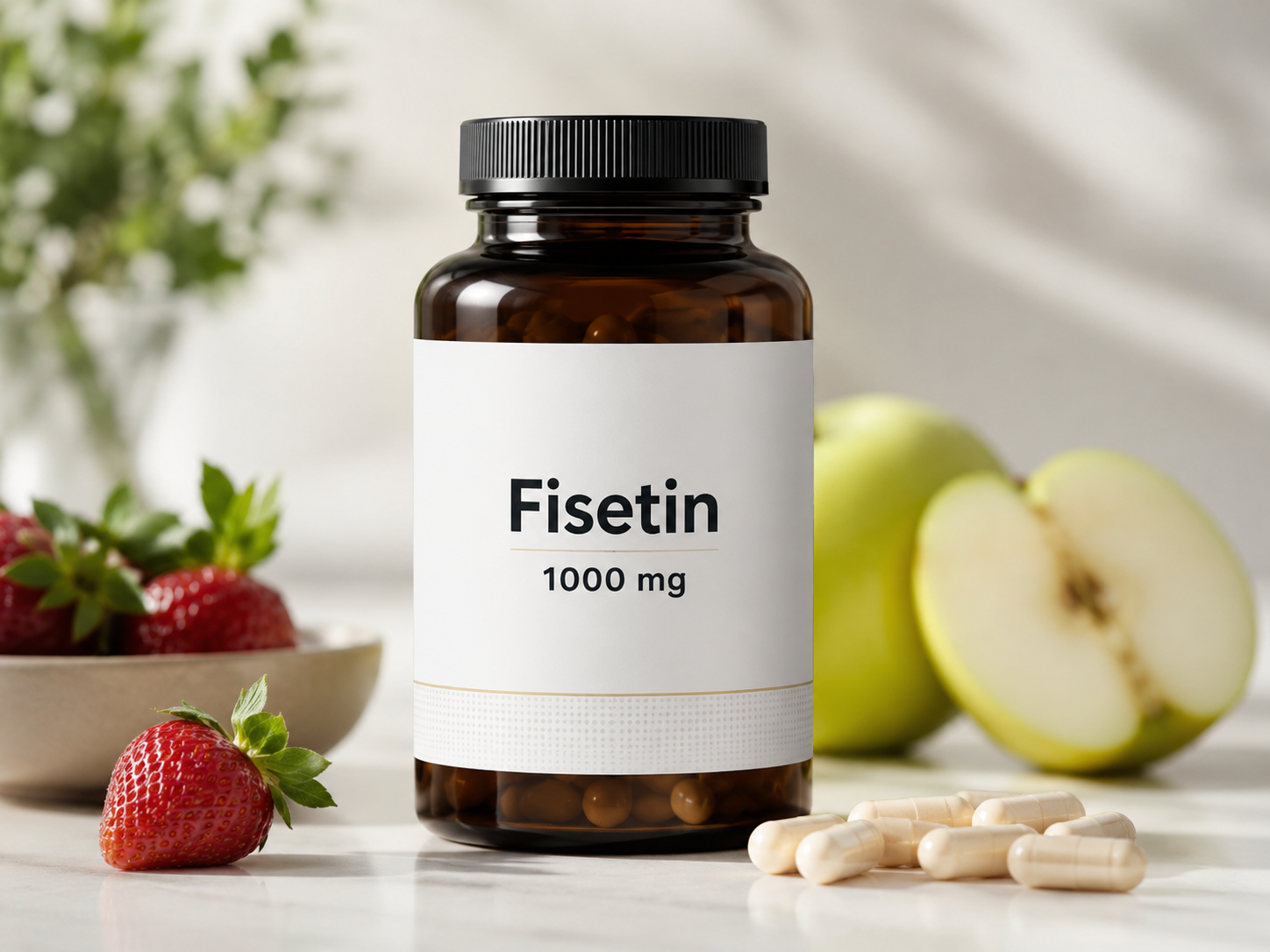
Fisetin 1000 mg: memahami label dos tinggi
Halaman ini dibina untuk carian yang hampir kepada keputusan pembelian tentang Fisetin 1000 mg: memahami label dos tinggi. Jawapan yang berguna bukan sekadar mengulang senarai manfaat umum, tetapi membezakan perkara yang boleh disahkan pada label, perkara yang datang daripada penyelidikan dan perkara yang masih merupakan tuntutan komersial. Untuk membandingkan produk secara bertanggungjawab, semak dos, saiz hidangan, formulasi, ujian, COA, harga, amaran dan hubungan antara produk siap dengan bukti yang diterbitkan.
Ambil Penilaian Selular ReCellenceJawapan ringkas: halaman ini ialah panduan keputusan pembelian. Bandingkan label sebenar, saiz hidangan, keterlihatan ujian, konteks harga dan padanan bukti sebelum memilih berdasarkan satu ciri sahaja.
Nombor pada label memerlukan konteks
Untuk carian dos seperti Fisetin 1000 mg: memahami label dos tinggi, semak sama ada jumlah itu bagi satu kapsul, dua kapsul, satu hidangan harian atau formula penuh. Dos dalam kajian tidak secara automatik menjadi cadangan peribadi. Protokol diterbitkan terikat pada populasi, tempoh dan reka bentuk tertentu.
Lebih banyak miligram tidak semestinya lebih baik
Dos lebih besar boleh mengubah kos dan pendedahan tetapi tidak menjamin penyerapan, keselamatan atau hasil lebih baik. Dalam Fisetin 1000 mg: memahami label dos tinggi, semak bahan sebenar, ketulenan, saiz hidangan dan bukti formulasi.
Ketelusan ialah ciri komersial
Dua produk boleh menyenaraikan bahan yang sama tetapi sangat berbeza dari segi mudah diaudit. Dos jelas, saiz hidangan, pengeluar yang dikenal pasti, dokumen ujian, COA yang kelihatan dan harga semasa mengurangkan ketidakpastian. Ketelusan tidak membuktikan keberkesanan klinikal, tetapi membantu pembeli mengetahui apa yang dibeli dan bahagian mana daripada cerita produk yang boleh disahkan. Dalam Fisetin 1000 mg: memahami label dos tinggi, ini penting kerana banyak keputusan dibuat dengan maklumat yang tidak lengkap.
Apa maksud ujian pihak ketiga
Frasa “diuji pihak ketiga” hanya berguna apabila ada konteks. Semak apa yang diuji, makmal yang menjalankan ujian, sama ada dokumen sepadan dengan batch semasa dan sama ada ujian meliputi identiti, potensi atau pencemar. Lencana tanpa butiran lebih lemah daripada laporan semasa yang boleh dijejaki. Untuk Fisetin 1000 mg: memahami label dos tinggi, ujian perlu dibaca bersama label, sumber bahan dan kualiti tuntutan, bukan sebagai bukti keberkesanan automatik.
Harga memerlukan perbandingan yang adil
Harga sebotol sahaja lemah apabila dos, bilangan hidangan dan formulasi berbeza. Perbandingan lebih berguna menormalkan kos setiap hidangan atau jumlah aktif apabila produk benar-benar setara. Namun harga termurah per miligram tidak semestinya terbaik. Dalam Fisetin 1000 mg: memahami label dos tinggi, nilai perlu dibaca bersama ketelusan, ujian, formulasi, bukti dan kemudahan. Tujuannya ialah menunjukkan trade-off, bukan menghasilkan satu pemenang universal.
Cara membaca Evidence Match
Evidence Match bertanya sejauh mana produk komersial menyerupai perkara yang benar-benar dikaji. Kapsul ringkas dengan dos yang dinyatakan biasanya lebih mudah dipadankan dengan literatur bahan berbanding campuran kompleks dengan banyak aktif dan dos tidak jelas. Ini tidak bermakna formula ringkas sentiasa lebih baik. Untuk Fisetin 1000 mg: memahami label dos tinggi, semakin jauh produk daripada bahan, dos atau formulasi yang dikaji, semakin berhati-hati hasil kajian perlu diterapkan pada produk siap.
Kerumitan stack menambah soalan
Formula berbilang bahan mungkin mudah digunakan, tetapi setiap aktif tambahan menambah persoalan tentang dos mencukupi, pertindihan, interaksi, toleransi dan bukti kombinasi penuh. Kajian satu bahan tidak secara automatik mengesahkan formula dengan banyak bahan. Dalam Fisetin 1000 mg: memahami label dos tinggi, kerumitan patut diterangkan secara neutral: ia boleh memberi kemudahan, tetapi juga meningkatkan beban bukti dan menyukarkan kita mengetahui komponen mana yang berkaitan dengan sesuatu kesan.
“Senolitik” dan “antiaging” bukan pensijilan
Senolitik ialah istilah bidang penyelidikan, bukan pensijilan kawal selia yang membuktikan suplemen menghapuskan sel senesen pada manusia. “Antiaging” juga terlalu luas untuk menjadi hasil klinikal. Dalam Fisetin 1000 mg: memahami label dos tinggi, berhati-hati dengan janji membalikkan usia, “membuang zombie cells”, merawat penyakit atau regenerasi terjamin. Bahasa yang lebih boleh dipercayai menyatakan sebatian, jenis kajian, populasi, dos dan hasil yang diukur.
Data Fasa 3 memberi konteks pasaran
Pangkalan data Fasa 3 Senolytic Report menjejaki 21 produk fisetin dan senolitik semasa. Ia memisahkan dos yang disahkan, harga apabila tersedia, formulasi, ujian, COA, ketelusan, nilai, Evidence Match dan kerumitan stack. Tujuannya bukan menjadikan data komersial sebagai ujian klinikal, tetapi menjadikan perbezaan produk lebih jelas. Untuk Fisetin 1000 mg: memahami label dos tinggi, medan yang tidak dapat disahkan kekal sebagai tidak direkodkan dan tidak diisi dengan andaian.
Apa yang boleh mengubah kesimpulan
Cadangan yang bertanggungjawab tidak sepatutnya kekal selama-lamanya. Kajian manusia baharu, reformulasi, perubahan harga, COA baharu, perubahan ujian atau produk dihentikan boleh mengubah perbandingan. Oleh itu Fisetin 1000 mg: memahami label dos tinggi perlu dibaca sebagai gambaran pasaran dan bukti pada tarikh tertentu. Halaman yang tidak pernah berubah walaupun formula dan data berubah lebih berkemungkinan mempertahankan ranking daripada mempertahankan ketepatan.
Senarai semak sebelum membeli
Sebelum membeli produk berkaitan Fisetin 1000 mg: memahami label dos tinggi, semak label semasa, jumlah aktif setiap hidangan, bentuk bahan, bilangan hidangan, bahan lain, dokumen ujian, amaran, harga, polisi pulangan dan siapa penjual sebenar. Jika anda mempertimbangkan dos tinggi, protokol luar biasa, banyak suplemen, mengambil ubat atau mempunyai keadaan perubatan, libatkan profesional kesihatan yang berkelayakan. Panduan pembelian boleh menyusun soalan tetapi tidak menggantikan penilaian perubatan individu.
Cara menggunakan halaman ini
Gunakan panduan ini sebagai penapis keputusan. Mula-mula singkirkan produk yang tidak menjelaskan bahan atau dos. Kemudian bandingkan ujian, formulasi, harga dan kualiti tuntutan. Akhir sekali, semak sama ada bukti yang dipetik berkaitan dengan bahan, formulasi tertentu atau produk siap. Untuk Fisetin 1000 mg: memahami label dos tinggi, urutan ini mengurangkan risiko memilih berdasarkan satu nombor atau janji mekanisme dan membantu membandingkan pilihan dengan standard yang sama.
Maklumat yang tiada perlu kekal jelas
Apabila jenama tidak menerbitkan harga, dos lengkap, COA atau butiran ujian, kekurangan itu perlu ditunjukkan secara terbuka. Ia tidak membuktikan produk berkualiti rendah; ia hanya bermakna medan tersebut tidak dapat disahkan daripada sumber yang disemak. Dalam perbandingan Fisetin 1000 mg: memahami label dos tinggi, mengakui ketidakpastian lebih baik daripada mengisi ruang dengan data lama, snippet carian atau andaian. Pembeli patut boleh membezakan fakta semasa, dakwaan pengeluar dan maklumat yang masih belum disahkan.
Formulasi juga mengubah perbandingan
Produk dengan bahan utama yang sama boleh menggunakan kapsul biasa, sistem liposomal, carrier, ekstrak piawai atau gabungan bahan lain. Perbezaan ini boleh mempengaruhi harga dan kemudahan penggunaan tetapi tidak sepatutnya terus dianggap lebih berkesan secara klinikal. Dalam Fisetin 1000 mg: memahami label dos tinggi, formulasi perlu diterangkan sebagai ciri produk dan kemudian dibandingkan dengan bukti yang benar-benar tersedia. Jika formula siap tidak pernah dikaji secara langsung, batasan itu perlu disebut dengan jelas.
Halaman berkaitan
Soalan lazim
Apa yang patut saya semak dahulu?
Jumlah aktif setiap hidangan, bentuk bahan, saiz hidangan, ujian, amaran dan pengeluar.
Adakah dos lebih tinggi bermakna produk lebih baik?
Tidak. Dos hanya satu dimensi bersama formulasi, ujian, keselamatan, bukti dan nilai.
Apa kegunaan COA?
Ia membantu kebolehkesanan jika sepadan dengan produk atau batch semasa dan menunjukkan kaedah serta keputusan.
Adakah ujian pihak ketiga membuktikan keberkesanan?
Tidak. Kawalan kualiti dan keberkesanan klinikal ialah soalan berbeza.
Bolehkah dos kajian dijadikan dos peribadi?
Tidak. Protokol penyelidikan bukan arahan universal.
Adakah kajian haiwan membuktikan hasil manusia?
Tidak. Bukti praklinikal menyokong hipotesis tetapi tidak menetapkan kesan klinikal manusia.
Adakah lebih banyak bahan lebih baik?
Tidak semestinya. Lebih banyak bahan meningkatkan kerumitan dan keperluan dos yang telus.
Patutkah saya banding harga botol sahaja?
Tidak. Bandingkan hidangan, jumlah aktif, formulasi, ujian dan kualiti maklumat.
Bolehkah perbandingan berubah?
Ya. Kajian, formula, harga, ujian dan COA baharu boleh mengubah kesimpulan.
Bila perlu berbincang dengan profesional kesihatan?
Jika anda ada keadaan perubatan, mengambil ubat, hamil atau mempertimbangkan dos tinggi, dapatkan nasihat yang berkelayakan.