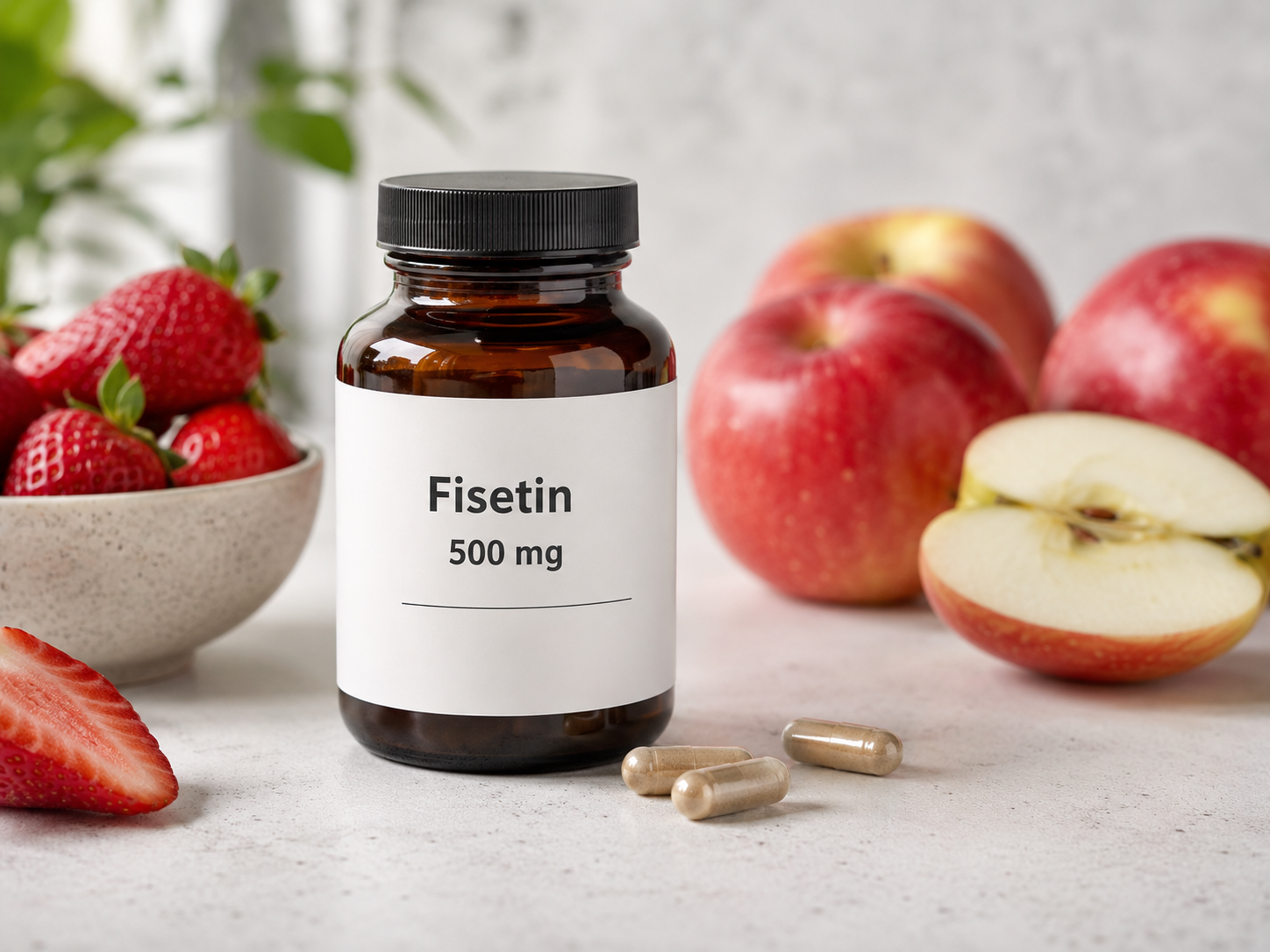
Fisetina 100 mg: o que o rótulo realmente informa
Esta página foi criada para uma busca próxima da compra sobre Fisetina 100 mg: o que o rótulo realmente informa. A resposta útil não é repetir uma lista genérica de benefícios, mas separar o que pode ser verificado no rótulo, o que vem da pesquisa e o que ainda é uma alegação comercial. Para comparar produtos com responsabilidade, analise dose, tamanho da porção, formulação, testes, COA, preço, advertências e a relação entre o produto final e a evidência publicada.
Fazer a avaliação celular ReCellenceResposta rápida: esta página é um guia de decisão de compra. Compare rótulo, porção, visibilidade de testes, contexto de preço e correspondência com evidências antes de decidir por um único destaque.
O número do rótulo precisa de contexto
Em uma busca de dose como Fisetina 100 mg: o que o rótulo realmente informa, confirme se o valor é por cápsula, por duas cápsulas, por porção diária ou pela fórmula completa. Uma dose usada em pesquisa também não vira automaticamente recomendação pessoal. Protocolos publicados pertencem a uma população, duração e desenho específicos. O comprador pode usar esses números como contexto de produto, não como instrução clínica universal.
Mais miligramas não significam automaticamente melhor
Uma dose maior pode mudar custo e exposição, mas não garante melhor absorção, segurança ou resultado. Em Fisetina 100 mg: o que o rótulo realmente informa, confirme o que está sendo medido, pureza, porção e evidência da formulação. Tecnologias de entrega também devem ser avaliadas separadamente.
Transparência é uma característica comercial
Dois produtos podem divulgar o mesmo ingrediente e ainda diferir muito na facilidade de auditoria. Dose clara, porção explícita, fabricante identificável, documentos de teste, COA visível e preço atual reduzem incerteza. Transparência não prova eficácia clínica, mas ajuda a saber o que está sendo comprado e quais partes da história do produto podem ser verificadas. Em Fisetina 100 mg: o que o rótulo realmente informa, isso importa porque muitas decisões são tomadas com campos ausentes ou alegações sem conexão clara com o lote e a fórmula vendidos.
O que significa teste de terceiros
A frase “testado por terceiros” só é útil quando existe contexto suficiente. Pergunte o que foi testado, qual laboratório realizou o teste, se o documento corresponde ao lote atual e se cobre identidade, potência, contaminantes ou outros parâmetros relevantes. Um selo sem detalhes é mais fraco que um relatório atual e rastreável. Em Fisetina 100 mg: o que o rótulo realmente informa, testes devem ser avaliados junto com rótulo, origem do ingrediente e qualidade das alegações, não como prova automática de eficácia.
Preço precisa de um denominador
Preço por frasco é uma comparação fraca quando produtos têm doses, porções ou formulações diferentes. Uma comparação melhor normaliza custo por porção ou por quantidade ativa quando os produtos são realmente comparáveis. Mesmo assim, o menor custo por miligrama não é automaticamente a melhor compra. Em Fisetina 100 mg: o que o rótulo realmente informa, valor deve ser lido junto com transparência, testes, formulação, evidência e conveniência. A meta é mostrar trade-offs, não fabricar um vencedor universal.
Como ler o Evidence Match
Evidence Match pergunta o quanto o produto comercial se parece com o material realmente estudado. Uma cápsula simples com quantidade declarada costuma ser mais fácil de relacionar à literatura do ingrediente do que um blend complexo com muitos ativos e doses pouco claras. Isso não torna fórmulas simples sempre superiores. Significa que, em Fisetina 100 mg: o que o rótulo realmente informa, quanto maior a distância entre produto, dose ou formulação e o que foi pesquisado, maior deve ser a cautela ao transferir resultados para o produto final.
A complexidade do stack aumenta as perguntas
Uma fórmula com vários ingredientes pode ser conveniente, mas cada ativo adicional traz dúvidas sobre dose suficiente, sobreposição, interações, tolerabilidade e evidência da combinação completa. Estudos de um ingrediente isolado não validam automaticamente uma fórmula com cinco ou dez compostos. Em Fisetina 100 mg: o que o rótulo realmente informa, complexidade deve ser descrita de forma neutra: pode trazer conveniência, mas também aumenta a carga de prova e dificulta saber qual componente explica um efeito ou reação.
“Senolítico” e “antiaging” não são certificações
Senolítico descreve uma área de pesquisa; não é uma certificação regulatória que demonstre que um suplemento remove células senescentes em humanos. “Antiaging” também é amplo demais para funcionar como desfecho clínico. Em Fisetina 100 mg: o que o rótulo realmente informa, desconfie de promessas de reversão de idade, “remoção de células zumbis”, tratamento de doenças ou regeneração garantida. Linguagem mais confiável identifica composto, tipo de estudo, população, dose e resultado medido.
Os dados da Fase 3 dão contexto de mercado
O banco de dados da Fase 3 do Senolytic Report acompanha 21 produtos atuais de fisetina e senolíticos. Ele separa doses verificadas, preço quando disponível, formulação, testes, COA, transparência, valor, Evidence Match e complexidade do stack. O objetivo não é transformar dados comerciais em ensaio clínico, mas tornar diferenças visíveis. Em Fisetina 100 mg: o que o rótulo realmente informa, campos não verificados continuam como não capturados em vez de serem preenchidos por suposição.
O que pode mudar a conclusão
Uma recomendação responsável não deve ser permanente. Novos estudos humanos, reformulações, mudanças de preço, novos COAs, alterações nos testes ou descontinuação podem mudar a comparação. Por isso Fisetina 100 mg: o que o rótulo realmente informa deve ser lido como um retrato datado do mercado e da evidência. Uma página que nunca muda mesmo quando fórmulas e dados mudam provavelmente está preservando um ranking, não a precisão.
Checklist prático antes de comprar
Antes de comprar algo relacionado a Fisetina 100 mg: o que o rótulo realmente informa, verifique o rótulo atual, quantidade ativa por porção, forma do ingrediente, número de porções, outros ingredientes, documentos de teste, advertências, preço, política de devolução e quem realmente vende o produto. Se estiver considerando doses altas, protocolos incomuns, vários suplementos, ou se usa medicamentos ou tem uma condição médica, inclua orientação profissional qualificada na decisão. Um guia organiza perguntas; não substitui avaliação individual.
Como usar esta página
Use este guia como filtro de decisão. Primeiro descarte produtos que não deixam claro o ingrediente ou a dose. Depois compare testes, formulação, preço e qualidade das alegações. Por fim, veja se a evidência citada se aplica ao ingrediente, a uma formulação específica ou ao produto final. Em Fisetina 100 mg: o que o rótulo realmente informa, essa ordem reduz o risco de escolher por uma única cifra ou por uma promessa de mecanismo e ajuda a comparar opções com o mesmo padrão.
Páginas relacionadas
Perguntas frequentes
O que devo verificar primeiro?
Quantidade ativa por porção, forma do ingrediente, porção, testes, advertências e fabricante.
Dose maior significa produto melhor?
Não. Dose é apenas uma dimensão entre formulação, testes, segurança, evidência e valor.
Qual a utilidade de um COA?
Ajuda na rastreabilidade quando corresponde ao produto ou lote atual e mostra métodos e resultados relevantes.
Teste de terceiros prova eficácia?
Não. Controle de qualidade e eficácia clínica são perguntas diferentes.
Posso usar dose de estudo como dose pessoal?
Não. Protocolos de pesquisa não são instruções universais.
Estudos em animais provam resultado humano?
Não. Evidência pré-clínica apoia hipóteses, mas não estabelece efeito clínico humano.
Mais ingredientes tornam a fórmula melhor?
Não necessariamente. Mais ingredientes aumentam a complexidade e a necessidade de doses transparentes.
Devo comparar apenas preço por frasco?
Não. Compare porções, quantidade ativa, formulação, testes e qualidade da informação.
Essas comparações podem mudar?
Sim. Estudos, fórmulas, preços, testes e COAs podem mudar uma conclusão.
Quando falar com um profissional de saúde?
Se você tem condição médica, usa medicamentos, está grávida ou considera doses altas, busque orientação qualificada.